Overview
Standard
Size
Features
Size
Features
Size
Features
Size
Features
Size
Features
Size
Features
Size
Features
Size
Features
Size
Features
Size
Features
Size
Features
Size
Features
Size
Features
Size
Features
Size
Features
Size
Features
Size
Features
Size
Features
Size
Features
Size
Features
Size
Features
Size
Features
Size
Features
Size
Features
Size
Features
Size
Features
Variable
Features
Glyphs
Basic Characters
Punctuation
Air
Earth
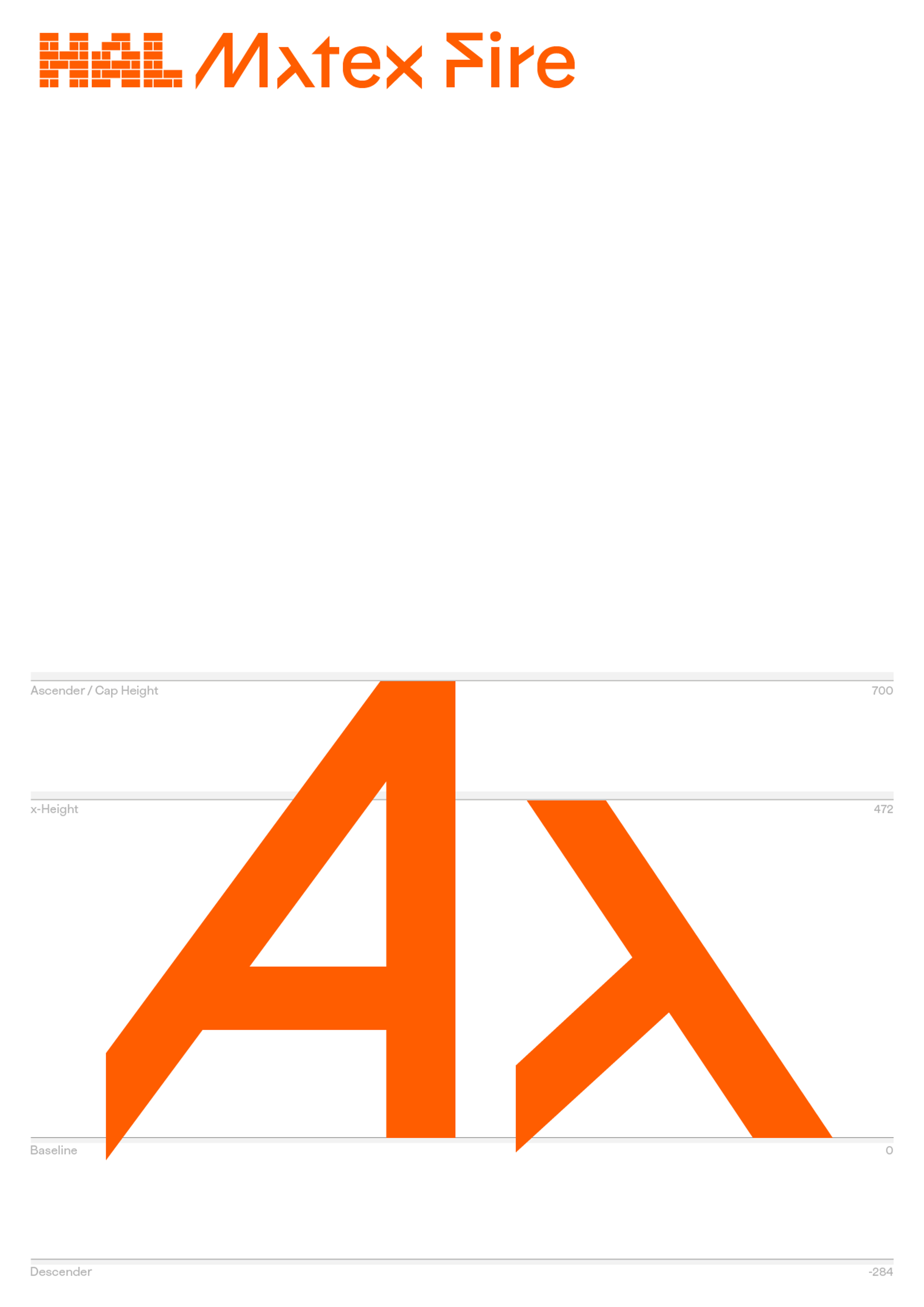
Fire
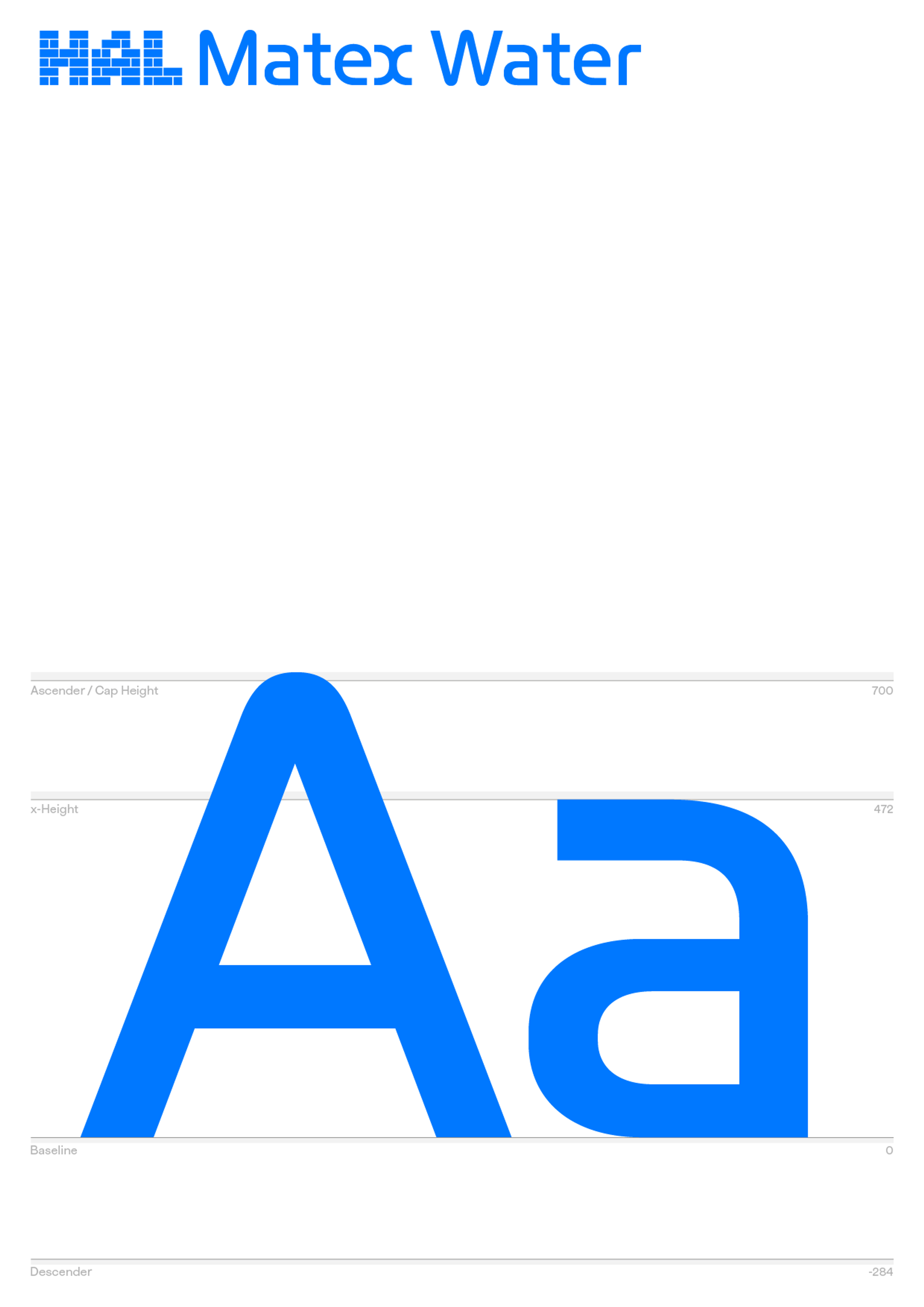
Water
Tabular and Circled Figures
Cyrillic Characters
Language Extension
Fractions and Ordinals
Superscript and Subscript
Currency and Math
Arrows and Symbols
Info
Description
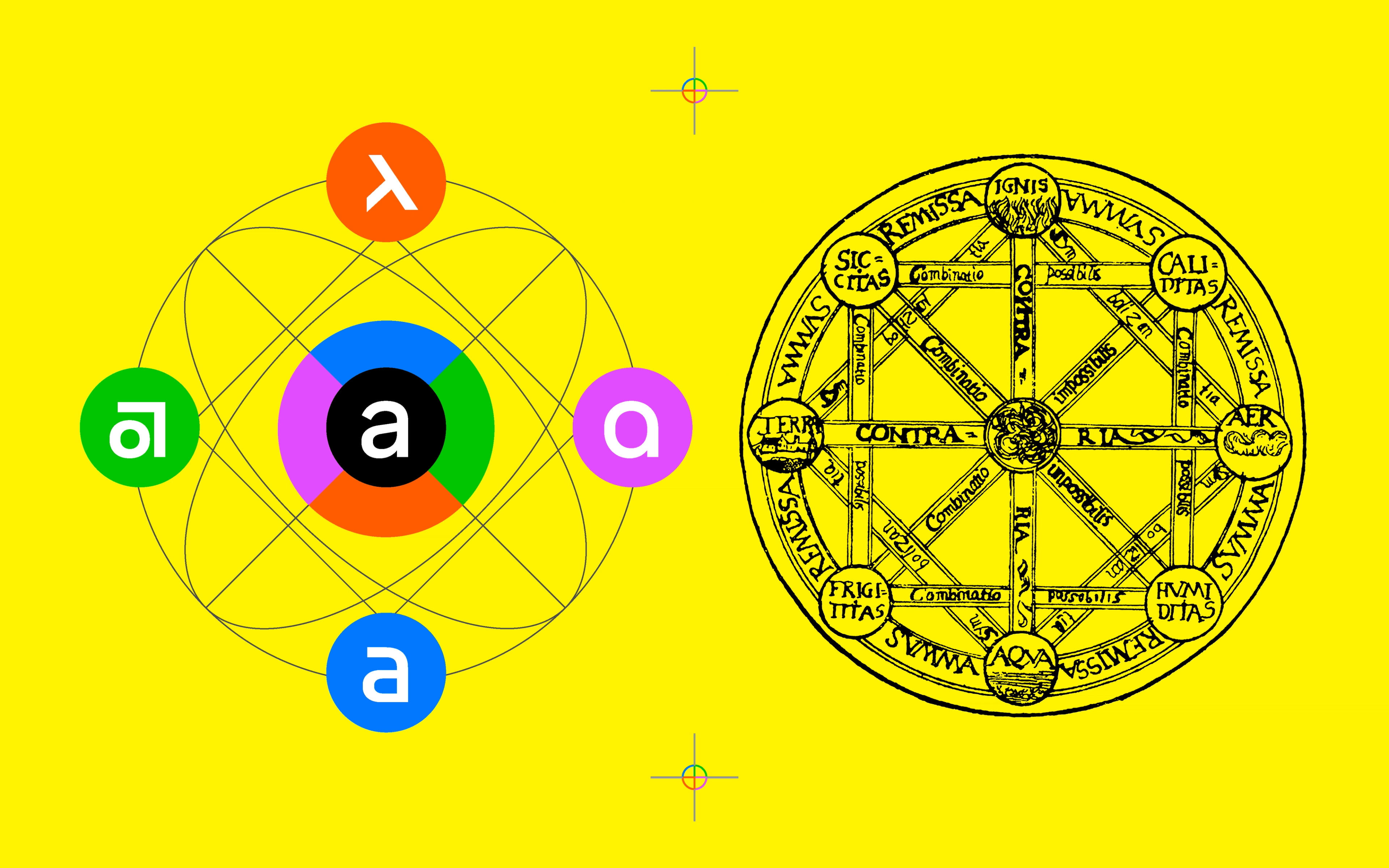
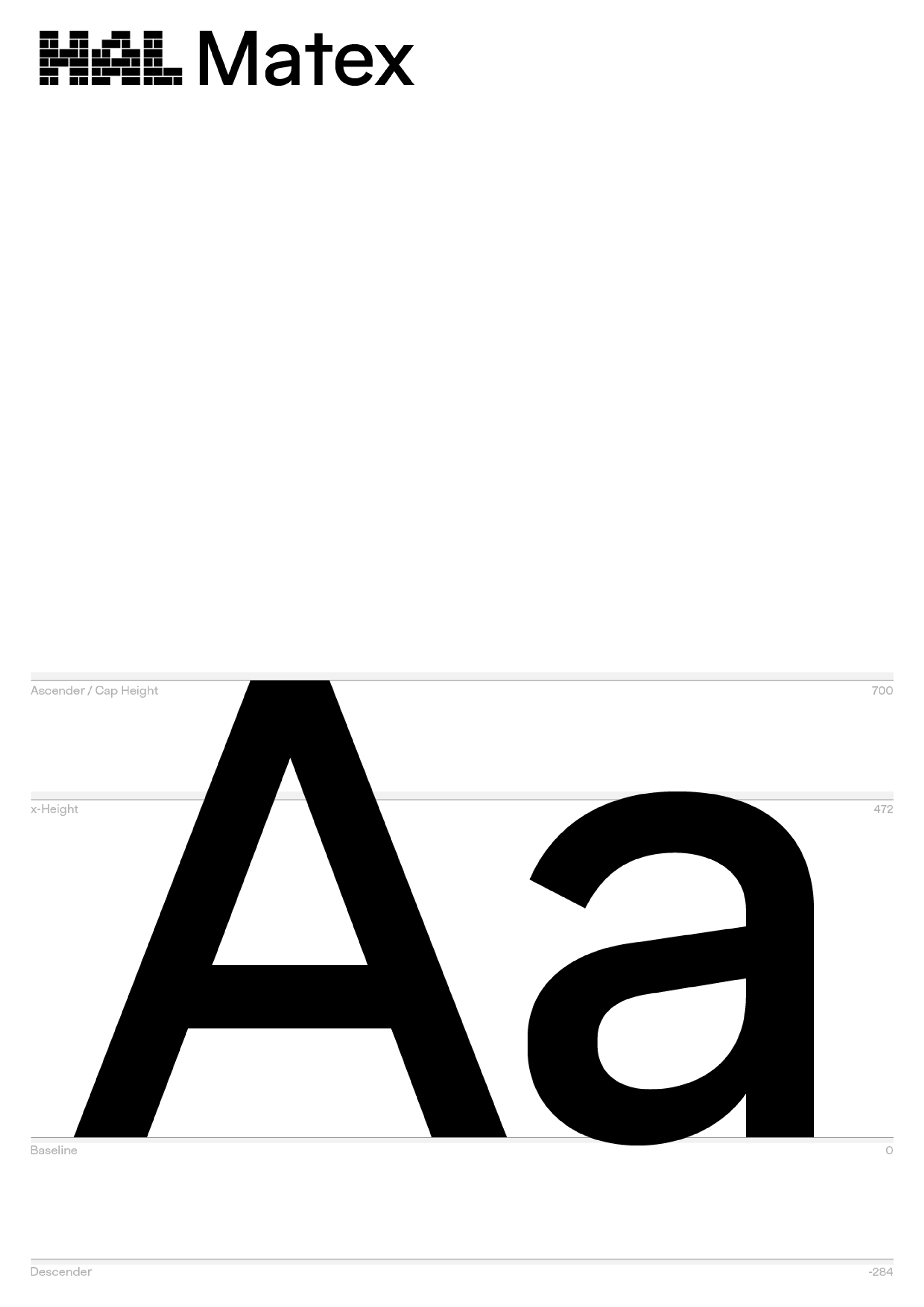
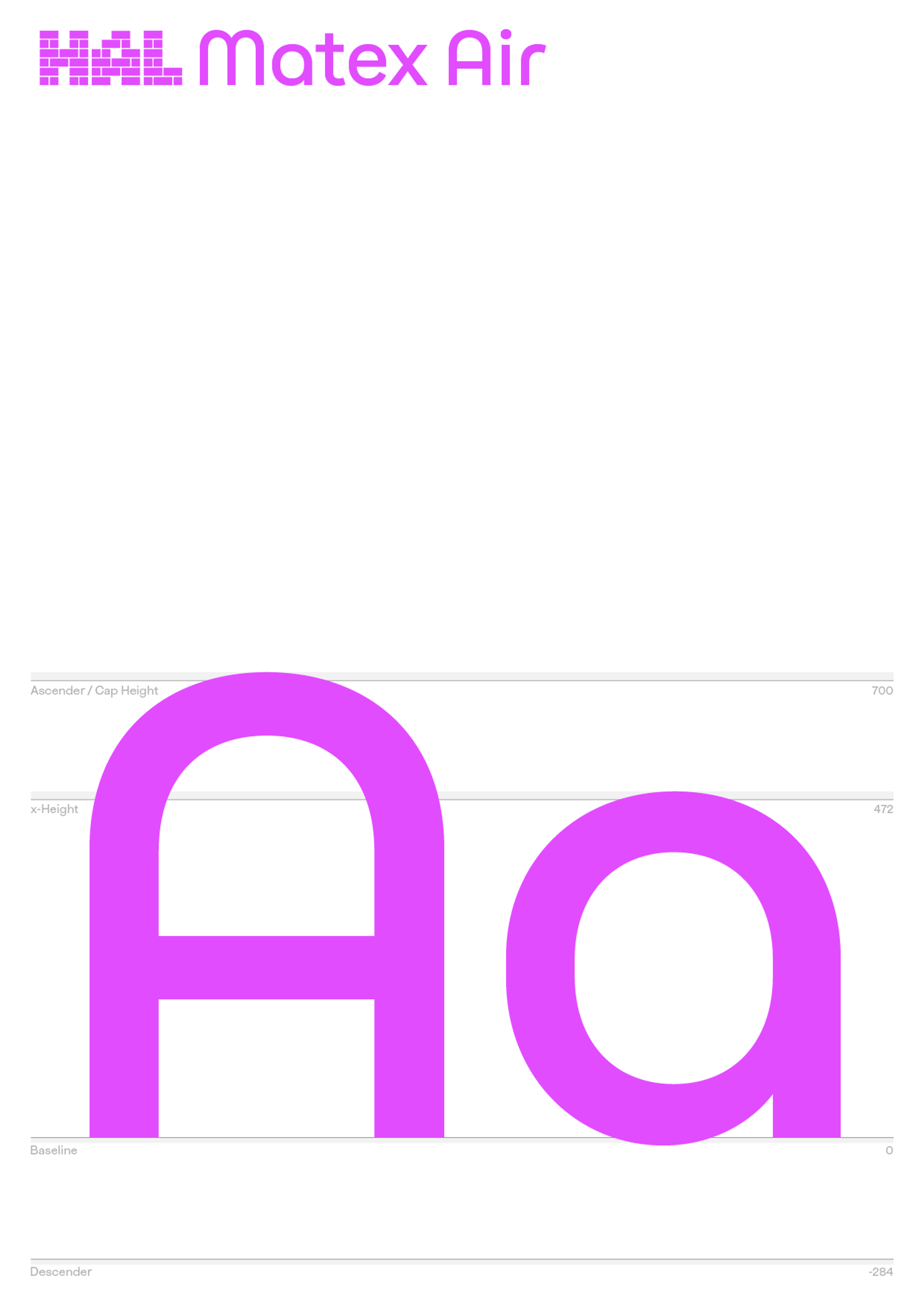
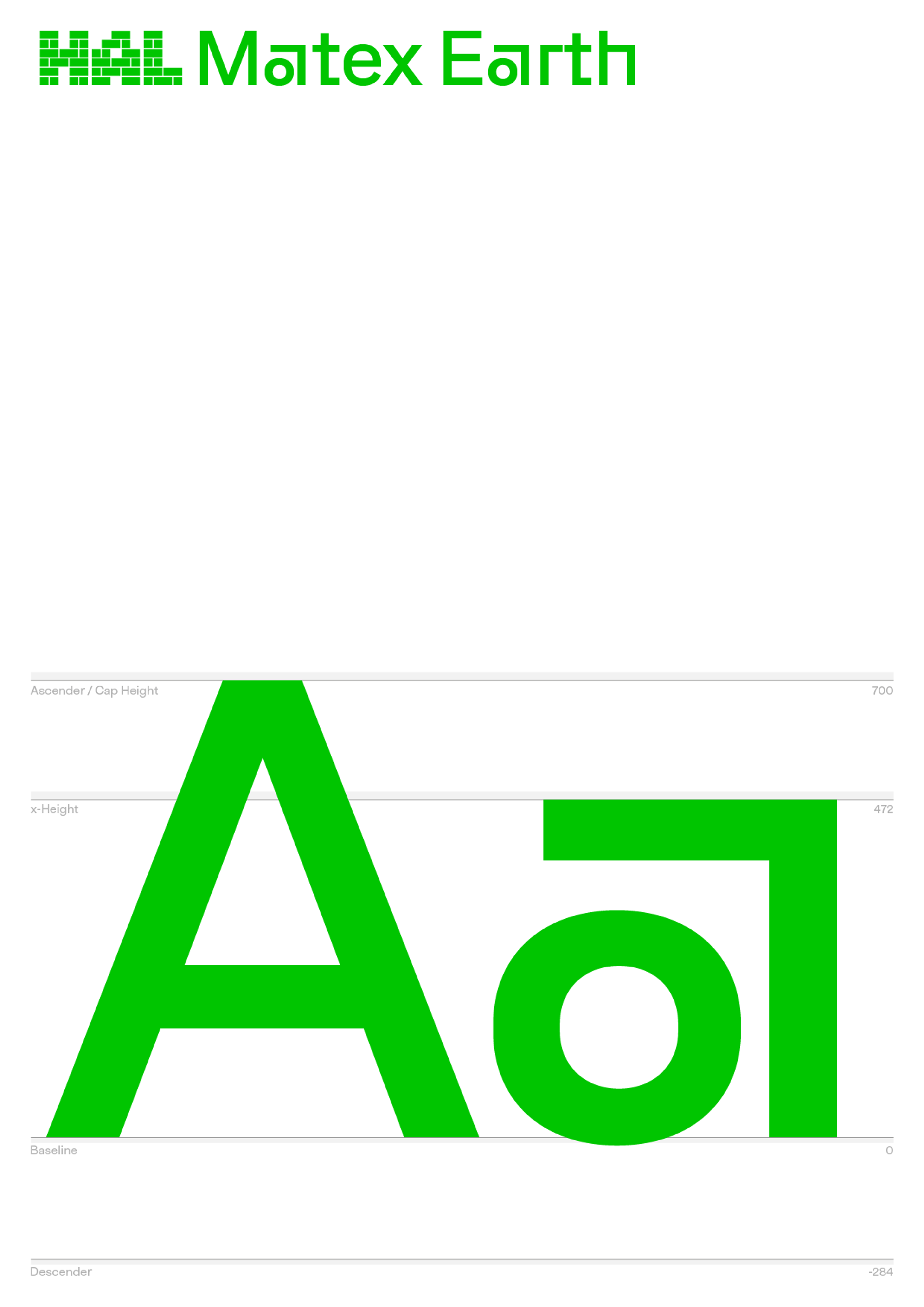
HAL Matex is originally inspired by comprehensive schoolbook grotesques as well as avant-garde Bauhaus aesthetics. The result: a fundamentally smooth and precise geometric sans with a slight humanistic touch. Since its initial release, the family’s extension spans 12 styles: six weights and their italics. Another major upgrade, apart from adding Cyrillic, are the Matex Elements. The typeface is packed with countless alternates, grouped into four stylistic sets—Air, Earth, Fire, Water—providing a wide variety of individual flavours for every seasonal occasion. The expressive stylistic sets are simply activated via OpenType features. For improved accessibility, all of the Matex Elements are also provided as inclusive static font files.
Credits
Design: HAL Typefaces
Production: HAL Typefaces with Samara Keller
Volume: 12 styles, VF
File Formats: otf, ttf, woff, woff2
Release Year: 2019 (updated 2026)
Spacing/Kerning: Igino Marini
Supported Languages
Abaza, Abron, Abua, Acheron, Achinese, Acholi, Achuar-Shiwiar, Adamawa Fulfulde, Adangme, Adyghe, Afar, Afrikaans, Aghul, Aguaruna, Ahtna, Akoose, Alekano, Aleut, Algonquin, Amahuaca, Amarakaeri, Amis, Anaang, Andaandi, Andi, Angas, Anufo, Anuta, Ao Naga, Apinayé, Arabela, Aragonese, Arbëreshë Albanian, Archi, Arutani, Arvanitika Albanian, Asháninka, Ashéninka Perené, Asturian, Asu (Tanzania), Atayal, Avaric, Awa-Cuaiquer, Awing, Baatonum, Bafia, Bagirmi Fulfulde, Balante-Ganja, Balinese, Balkan Romani, Bambara, Banjar, Baoulé, Bari, Bashkir, Basque, Bassari, Batak Dairi, Batak Karo, Batak Mandailing, Batak Simalungun, Batak Toba, Belarusian, Bemba (Zambia), Bena (Tanzania), Bezhta, Biali, Bikol, Bini, Bislama, Boko (Benin), Bomu, Bora, Borana-Arsi-Guji Oromo, Borgu Fulfulde, Bosnian, Breton, Budukh, Buginese, Bulgarian, Bushi, Candoshi-Shapra, Caquinte, Caribbean Hindustani, Cashibo-Cacataibo, Cashinahua, Catalan, Cebuano, Central Aymara, Central Kurdish, Central Nahuatl, Central-Eastern Niger Fulfulde, Cerma, Chachi, Chamalal, Chamorro, Chavacano, Chayahuita, Chechen, Chiga, Chiltepec Chinantec, Chinese Buriat, Chokwe, Chuukese, Chuvash, Cimbrian, Cofán, Congo Swahili, Cook Islands Māori, Cornish, Corsican, Creek, Crimean Tatar, Croatian, Czech, Danish, Dargwa, Dehu, Dendi (Benin), Dido, Dimli, Duala, Dungan, Dutch, Dyan, Dyula, Eastern Arrernte, Eastern Maninkakan, Eastern Mari, Eastern Oromo, Efik, Embu, English, Erzya, Ese Ejja, Esperanto, Falam Chin, Fanti, Faroese, Fijian, Filipino, Finnish, French, Friulian, Ga, Gagauz, Galician, Ganda, Garifuna, Ga’anda, German, Gheg Albanian, Gilbertese, Gonja, Gooniyandi, Gourmanchéma, Guadeloupean Creole French, Guarani Mbyá, Guató, Gusii, Haitian, Hakha Chin, Halh Mongolian, Hani, Hassaniyya, Hausa, Hawaiian, Hiligaynon, Ho-Chunk, Hopi, Huastec, Hungarian, Hunzib, Hän, Ibibio, Icelandic, Ido, Idoma, Igbo, Iloko, Inari Sami, Indonesian, Ingush, Interglossa, Interlingua, Interlingue, Irish, Istro Romanian, Italian, Ixcatlán Mazatec, Jamaican Creole English, Javanese, Jenaama Bozo, Jola-Fonyi, Judeo-Tat, K’iche’, Kaapor, Kabardian, Kabuverdianu, Kaingang, Kako, Kala Lagaw Ya, Kalaallisut, Kalenjin, Kalmyk, Kamba (Kenya), Kaonde, Kaqchikel, Kara-Kalpak, Karachay-Balkar, Karaim, Karajá, Karata, Karelian, Kashubian, Kazakh, Kekchí, Kenzi/Mattokki, Khasi, Khinalugh, Kikuyu, Kimbundu, Kinyarwanda, Kirghiz, Kirmanjki, Kituba (DRC), Kom (Cameroon), Komi-Permyak, Komi-Zyrian, Kongo, Konzo, Korubo, Koyra Chiini Songhay, Koyraboro Senni Songhai, Krio, Krymchak, Kuanyama, Kumyk, Kven Finnish, Kwasio, Kölsch, Ladin, Ladino, Lak, Latgalian, Lezghian, Ligurian, Lingala, Lithuanian, Lojban, Lombard, Low German, Lower Sorbian, Lozi, Luba-Katanga, Luba-Lulua, Lule Sami, Luo (Kenya and Tanzania), Luxembourgish, Maasina Fulfulde, Macedo-Romanian, Macedonian, Madurese, Makhuwa, Makhuwa-Meetto, Makonde, Makwe, Malagasy, Malaysian, Maltese, Mam, Mamara Senoufo, Mandinka, Mandjak, Mankanya, Manx, Maore Comorian, Maori, Mapudungun, Marshallese, Matsés, Mauritian Creole, Mende (Sierra Leone), Meriam Mir, Meru, Meta’, Metlatónoc Mixtec, Mi’kmaq, Minangkabau, Mirandese, Mizo, Moba, Mohawk, Moksha, Mongolian Buriat, Montenegrin, Moré-Kuyubim, Munduruku, Munsee, Murrinh-Patha, Murui Huitoto, Muslim Tat, Mwani, Ménik, Mískito, Naga Pidgin, Ndonga, Neapolitan, Ngazidja Comorian, Nigerian Fulfulde, Ninam, Niuean, Nobiin, Nogai, Nomatsiguenga, Noon, North Azerbaijani, North Marquesan, North Ndebele, Northern Altai, Northern Kissi, Northern Kurdish, Northern Qiandong Miao, Northern Sami, Northern Uzbek, Northwestern Ojibwa, Norwegian, Novial, Nyamwezi, Nyanja, Nyankole, Nyemba, Nzima, Occitan, Ojitlán Chinantec, Old Prussian, Orma, Oroqen, Ossetian, Otuho, Palauan, Paluan, Pampanga, Papantla Totonac, Papiamento, Paraguayan Guaraní, Pedi, Pemon, Picard, Pichis Ashéninka, Piemontese, Pijin, Pintupi-Luritja, Pipil, Pite Sami, Pohnpeian, Polish, Portuguese, Potawatomi, Pulaar, Purepecha, Páez, Quechua, Romanian, Romansh, Rotokas, Rundi, Russian, Russian Buriat, Rusyn, Rutul, Rwa, Saafi-Saafi, Samburu, Samoan, Sango, Sangu (Tanzania), Sanumá, Saramaccan, Sardinian, Scots, Scottish Gaelic, Sena, Serbian, Seri, Seselwa Creole French, Shambala, Shanenawa, Sharanahua, Shawnee, Shilluk, Shipibo-Conibo, Shona, Shor, Shuar, Shughni, Sicilian, Silesian, Slovak, Slovenian, Soga, Somali, Soninke, South Marquesan, South Ndebele, Southern Altai, Southern Aymara, Southern Bobo Madaré, Southern Dagaare, Southern Qiandong Miao, Southern Sami, Southern Sotho, Spanish, Sranan Tongo, Standard Estonian, Standard Latvian, Standard Malay, Sundanese, Susu, Swahili, Swati, Swedish, Swiss German, Syenara Senoufo, Tabassaran, Tagalog, Tahitian, Taita, Tajik, Talysh, Tasawaq, Tatar, Taíno, Tedim Chin, Tetum, Tetun Dili, Timne, Tiv, Tiéyaxo Bozo, Toba, Tok Pisin, Tokelau, Toki Pona, Tonga (Tonga Islands), Tonga (Zambia), Tosk Albanian, Tsakhur, Tsonga, Tswana, Tumbuka, Turkish, Turkmen, Tuvalu, Tuvinian, Twi, Tzeltal, Tzotzil, Uab Meto, Udi, Ukrainian, Umbundu, Ume Sami, Upper Guinea Crioulo, Upper Sorbian, Uru-Eu-Wau-Wau, Urum, Venetian, Veps, Vietnamese, Vlax Romani, Volapük, Võro, Waama, Waiwai, Wallisian, Walloon, Walser, Wamey, Wangaaybuwan-Ngiyambaa, Waorani, Waray (Philippines), Warekena (Guarequena), Warlpiri, Wasa, Wayuu, Welsh, West Central Oromo, West-Central Limba, Western Abnaki, Western Frisian, Western Mari, Western Niger Fulfulde, Wik-Mungkan, Wiradjuri, Wolof, Xavánte, Xhosa, Yagua, Yanesha’, Yangben, Yanomamö, Yao, Yapese, Yaroamë, Ye’Kwana, Yindjibarndi, Yoruba, Yucateco, Zapotec, Zarma, Zulu, Zuni, Záparo
In Use


Otto Resource (c/o Adam Barnard) Design by Martin Major Office, 2022