↑
  • HAL Typefaces
  • Collection
  • Licensing
  • Notes
  • About
  • Trial Fonts
  • Collection
  • Licensing
  • Notes
  • About
  • Trial Fonts
  • Casino
  • Serif
  • Sans
  • Mono
  • Features
  • Glyphs
  • Info
  • In Use

Overview

Serif
Regular Regular Italic
Sans
Regular Regular Italic
Mono
Regular

Serif

Size
 
Features
Poker Face
Size
 
Features
Caesars Palace, 1967 Las Vegas Strip…
Size
 
Features
Intellectually gifted, at fifteen Valli travelled to Rome, where she attended the Centro Sperimentale di Cinematografia, the oldest school for film actors and directors in Western Europe and still one of the most prestigious. At that time, she lived with her cousin Ettore Tolomei. Valli started her movie career in 1934, in Il cappello a tre punte (The Three Cornered Hat) during the so-called Telefoni Bianchi cinema era. Her first big success came with the movie Mille lire al mese (1939). After many roles in a large number of comedies, she earned her success as a dramatic actress in Piccolo mondo antico (1941), directed by Mario Soldati, for which she won a special Best Actress award at the Venice Film Festival. During the Second World War, she starred in many movies, including Stasera niente di nuovo (1942) (whose song »Ma l’amore no« became the leitmotif of the Italian forties) and the diptych Noi Vivi / Addio Kira! (1943) (based on Ayn Rand's novel We the Living). These latter two movies were nearly censored by the Italian government under Benito Mussolini, but they were finally permitted because the novel upon which they were based was anti-Soviet. The films were successful, and the public easily realised that they were as much against fascism as communism. After several weeks, however, the films were pulled from theatres as the German and Italian governments, which abhorred communism, found out the story also carried an anti-fascist message.
Size
 
Features
Ace Highs
Size
 
Features
King, Queen & Jack
Size
 
Features
The roulette wheels used in the casinos of Paris in the late 1790s had red for the single zero and black for the double zero. To avoid confusion, the color green was selected for the zeros in roulette wheels starting in the 1800s. A caricature by James Gillray, 1822. In 1843, in the German spa casino town of Bad Homburg, fellow Frenchmen François and Louis Blanc introduced the single 0 style roulette wheel in order to compete against other casinos offering the traditional wheel with single and double zero house pockets. In some forms of early American roulette wheels, there were numbers 1 to 28, plus a single zero, a double zero, and an American Eagle. The Eagle slot, which was a symbol of American liberty, was a house slot that brought the casino an extra edge. Soon, the tradition vanished and since then the wheel features only numbered slots. According to Hoyle »the single 0, the double 0, and the eagle are never bars; but when the ball falls into either of them, the banker sweeps every thing upon the table, except what may happen to be bet on either one of them, when he pays twenty-seven for one, which is the amount paid for all sums bet upon any single figure«.

Sans

Size
 
Features
The Gambler
Size
 
Features
Château de Bagatelle Royal Opera 1824
Size
 
Features
Le multicolore is a game of chance from France and Catalonia that features characteristics of both roulette and bagatelle. In the game, a ball is rolled into a basin-shaped wheel, which is divided into twenty-five shallow cups. Each cup is assigned one of five colours, with a value ascribed. The game consists in predicting on which colour the ball will rest. The game is played at several cercles de jeu in France, where conventional roulette is not allowed. The game is composed of a large gaming table provided with a circular disc on one of its extremes. This wheel has twenty-five identical cups of five different colours: six red, six green, six yellow, six white and one blue. Of the six cups of identical colour one is numbered 4, three 3 and the last two 2, while the blue cup is numbered 24. The wheel may spin, or be static. Surrounding the table there is a layout divided and painted with these five colours, where the players can place their wagers. To determine the winning colour, a croupier strikes, with a cue stick, an ivory ball into a rail, then the ball runs along the cloth, goes up a ramp and enters the circumference of the wheel. The ball eventually falls into one of 25 cups on the wheel. The odds paid on the winning colour are 2, 3, 4 or 24 to 1, depending on the cup where the ball has fallen.
Size
 
Features
Monte Carlo
Size
 
Features
Bobby Fischer’s Virtual Dice Chess
Size
 
Features
Dice are often sold in sets, matching in color, of six different shapes. Five of the dice are shaped like the Platonic solids, whose faces are regular polygons. Aside from the cube, the other four Platonic solids have 4, 8, 12, and 20 faces, allowing for those number ranges to be generated. The only other common non-cubical die is the 10-sided die, a pentagonal trapezohedron die, whose faces are ten kites, each with two different edge lengths, three different angles, and two different kinds of vertices. Unlike other common dice, a four-sided (tetrahedral) die does not have a side that faces upward when it is at rest on a surface, so it must be read in a different way. On some four-sided dice, each face features multiple numbers, with the same number printed near each vertex on all sides. In this case, the number around the vertex pointing up is used. Alternatively, the numbers on a tetrahedral die can be placed at the middle of the edges, in which case the numbers around the base are used. Normally, the faces on a die are placed so that opposite faces add up to one more than the number of faces. (This is not possible with 4-sided dice and dice with an odd number of faces.) Some dice, such as those with 10 sides, are usually numbered sequentially beginning with 0, in which case the opposite faces add to one less than the number of faces. Using these dice in various ways, games can closely approximate a variety of probability distributions. The percentile dice system is used to produce a uniform distribution of random percentages, and summing the values of multiple dice produces approximations to normal distributions.

Mono

Size
 
Features
Dominos
Size
 
Features
3/9 Cyprus Wink Matador Jungle
Size
 
Features
A parlour or parlor game is a group game played indoors, named so as they were often played in a parlour. These games were extremely popular among the upper and middle classes in the United Kingdom and in the United States during the Victorian era. The Victorian age is sometimes considered the “Golden Age” of the parlour game. During the 19th century, the upper and middle classes had more leisure time than people of previous generations. This led to the creation of a variety of parlour games to allow these gentlemen and ladies to amuse themselves at small parties. Boxed parlour games were very popular from around 1920 until into the 1960s, especially around Christmas. Parlour games competed for attention with the mass media, particularly radio, movies, and television. Though decreased in popularity, parlour games continue to be played. Some remain nearly identical to their Victorian ancestors; others have been transformed into board games such as Balderdash. Many parlour games involve logic or word-play. Others are more physical games, but not to the extent of a sport or exercise. Some also involve dramatic skill, such as in charades. Most do not require any equipment beyond what would be available in a typical parlour – e.g. the functioning mouths of the participants. Parlour games are usually competitive, but cumulative scores are not usually kept. The length and ending time of the game is typically not set; play continues until the players decide to end the game.

Features

Glyphs

▼Basic Characters
▼Punctuation
▼Ligatures
▼Lining and Circled Figures
▼Language Extension
▼Fractions and Ordinals
▼Superscript and Subscript
▼Currency and Math
▼Arrows and Symbols

Info

Description

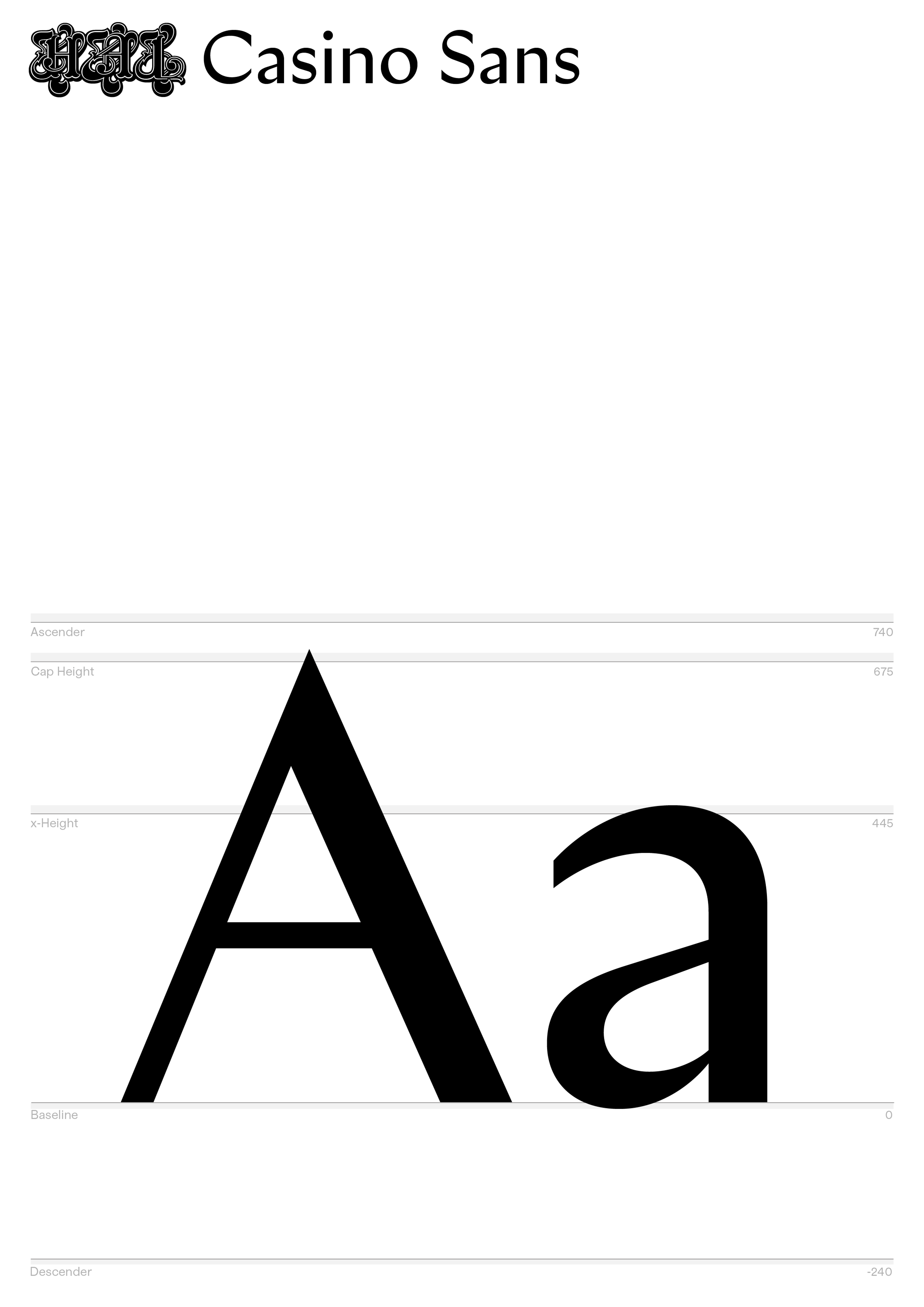
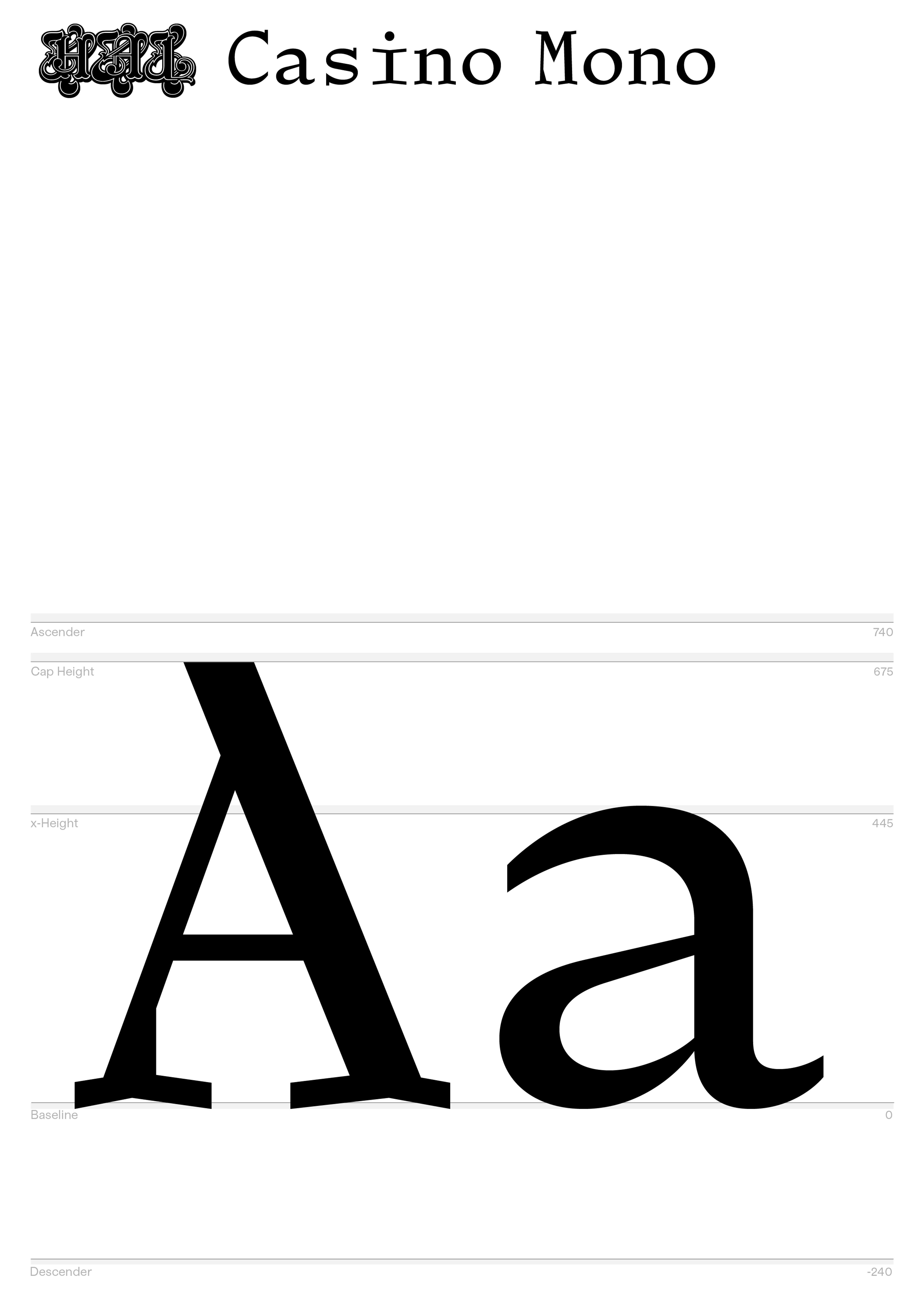
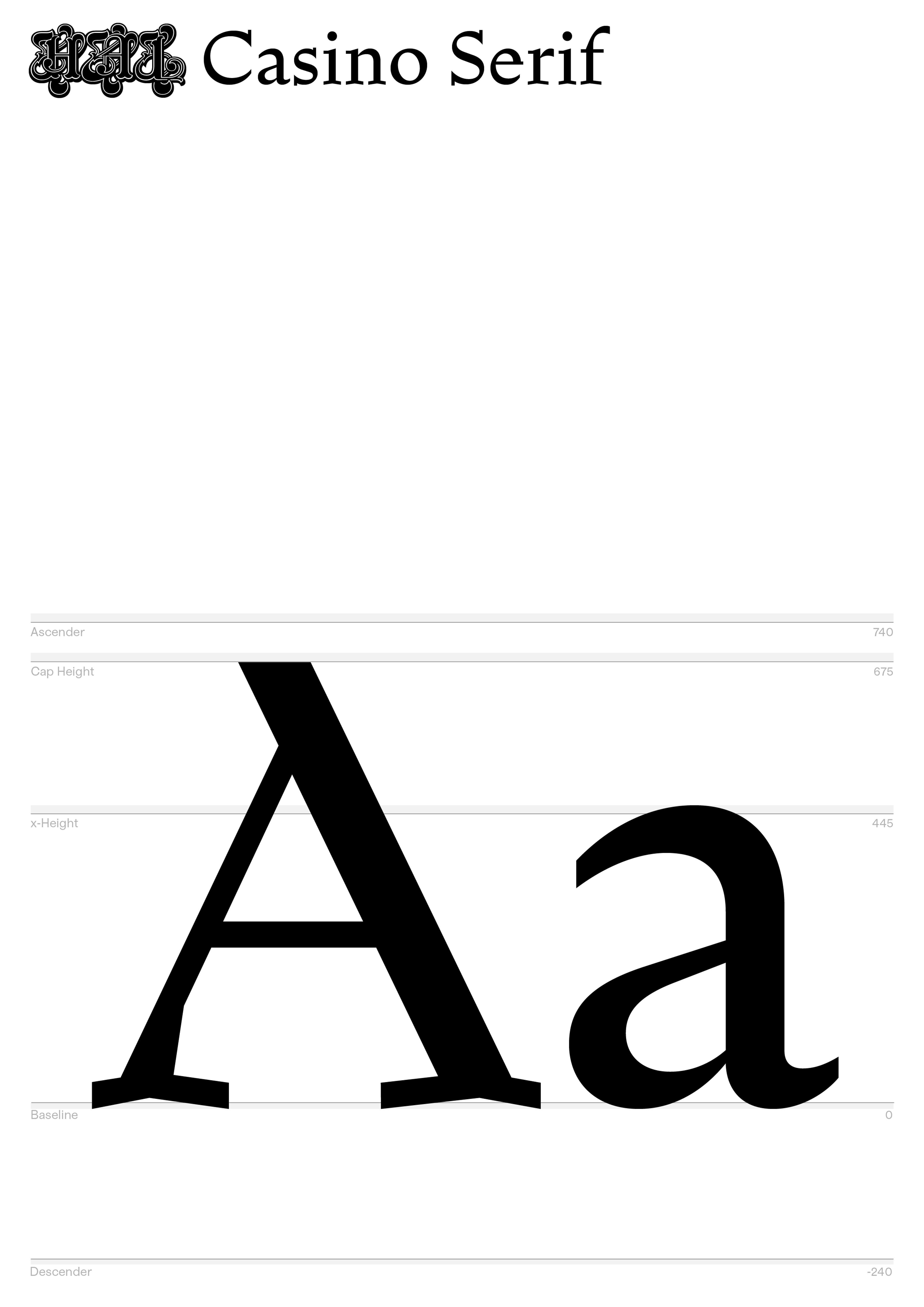
HAL Casino is a versatile, single-weight family, spanning several genres. Serif Regular and Italic are an analysis of well-balanced forms, yielding an aesthetic vibe that is classic, slick and elegant. The playful approach of the detailed serifs provide legibility and allure in both text and display settings. Sans Regular is a refined and graceful humanist sans serif with a satisfying shift in contrast. Its sophisticated design is perfectly paired with the dynamic stride of Sans Regular Italic. Both italic styles include plenty of pretty extras: swash caps, ligatures as well as multiple initial and terminal lowercase alternates. Casino Mono completes your winning hand.

Credits

Design: HAL Typefaces
Production: HAL Typefaces
Volume: 3 families, 5 styles
File Formats: otf, ttf, woff, woff2
Release Year: 2026
Spacing/Kerning: Igino Marini

Supported Languages

Abron, Abua, Acheron, Achinese, Acholi, Achuar-Shiwiar, Adamawa Fulfulde, Adangme, Afar, Afrikaans, Aguaruna, Ahtna, Akoose, Alekano, Aleut, Alonquin, Amahuaca, Amarakaeri, Amis, Anaang, Andaandi, Dongolawi, Angas, Anufo, Anuta, Arabela, Aragonese, Arbëreshë Albanian, Asháninka, Ashéninka Perené, Asturian, Atayal, Awa-Cuaiquer, Awing, Baatonum, Bafia, Bagirmi Fulfulde, Balante-Ganja, Balinese, Balkan Romani, Bambara, Banjar, Baoulé, Bari, Basque, Bassari, Batak Dairi, Batak Karo, Batak Mandailing, Batak Simalungun, Batak Toba, Bemba (Zambia), Bena (Tanzania), Biali, Bikol, Bini, Bislama, Boko (Benin), Bomu, Bora, Borana-Arsi-Guji Oromo, Borgu Fulfulde, Bosnian, Breton, Buginese, Bushi, Candoshi-Shapra, Caquinte, Caribbean Hindustani, Cashibo-Cacataibo, Cashinahua, Catalan, Cebuano, Central Aymara, Central Kurdish, Central Nahuatl, Central-Eastern Niger Fulfulde, Cerma, Chachi, Chamorro, Chavacano, Chayahuita, Chiga, Chiltepec Chinantec, Chokwe, Chuukese, Cimbrian, Cofán, Cook Islands Māori, Cornish, Corsican, Creek, Crimean Tatar, Croatian, Czech, Danish, Dehu, Dimli, Duala, Dutch, Dyan, Dyula, Eastern Arrernte, Eastern Maninkakan, Eastern Oromo, Efik, English, Fanti, Faroese, Fijian, Filipino, Finnish, French, Friulian, Ga, Gagauz, Galician, Ganda, Garifuna, German, Gheg Albanian, Gilbertese, Gonja, Gooniyandi, Gourmanchéma, Guadeloupean Creole French, Gusii, Haitian, Hani, Hassaniyya, Hausa, Hawaiian, Hiligaynon, Hopi, Huastec, Hungarian, Hän, Ibibio, Icelandic, Idoma, Igbo, Iloko, Inari Sami, Indonesian, Irish, Istro Romanian, Italian, Ixcatlán Mazatec, Jamaican Creole English, Javanese, Jenaama Bozo, Jola-Fonyi, K’iche’, Kabuverdianu, Kaingang, Kako, Kala Lagaw Ya, Kalaallisut, Kalenjin, Kamba (Kenya), Kaonde, Kaqchikel, Kara-Kalpak, Karelian, Kashubian, Kekchí, Kenzi, Mattokki, Khasi, Kikuyu, Kimbundu, Kinyarwanda, Kirmanjki, Kituba (DRC), Kom (Cameroon), Kongo, Konzo, Koyraboro Senni Songhai, Krio, Kven Finnish, Kölsch, Ladin, Ladino, Latgalian, Lingala, Lithuanian, Lombard, Low German, Lower Sorbian, Lozi, Luba-Lulua, Lule Sami, Luo (Kenya and Tanzania), Luxembourgish, Maasina Fulfulde, Macedo-Romanian, Madurese, Makonde, Malagasy, Malaysian, Maltese, Mam, Mamara Senoufo, Mandinka, Mandjak, Mankanya, Manx, Maore Comorian, Maori, Mapudungun, Marshallese, Matsés, Mauritian Creole, Mende (Sierra Leone), Meriam Mir, Meru, Metlatónoc Mixtec, Mi’kmaq, Minangkabau, Mirandese, Mizo, Mohawk, Montenegrin, Munsee, Murrinh-Patha, Murui Huitoto, Muslim Tat, Mwani, Ménik, Mískito, Naga Pidgin, Ndonga, Neapolitan, Ngazidja Comorian, Nigerian Fulfulde, Niuean, Nobiin, Nomatsiguenga, Noon, North Azerbaijani, North Marquesan, North Ndebele, Northern Kissi, Northern Kurdish, Northern Qiandong Miao, Northern Sami, Northern Uzbek, Norwegian, Nyamwezi, Nyanja, Nyankole, Nyemba, Nzima, Occitan, Ojitlán Chinantec, Orma, Oroqen, Otuho, Palauan, Pampanga, Papantla Totonac, Papiamento, Paraguayan Guaraní, Pedi, Picard, Pichis Ashéninka, Piemontese, Pijin, Pintupi-Luritja, Pipil, Pite Sami, Pohnpeian, Polish, Portuguese, Potawatomi, Pulaar, Purepecha, Páez, Quechua, Romanian, Romansh, Rotokas, Rundi, Saafi-Saafi, Samoan, Sango, Sangu (Tanzania), Saramaccan, Sardinian, Scots, Scottish Gaelic, Sena, Seri, Seselwa Creole French, Sharanahua, Shawnee, Shilluk, Shipibo-Conibo, Shona, Shuar, Sicilian, Silesian, Slovak, Slovenian, Soga, Somali, Soninke, South Azerbaijani, South Marquesan, South Ndebele, Southern Aymara, Southern Bobo Madaré, Southern Dagaare, Southern Qiandong Miao, Southern Sami, Southern Sotho, Spanish, Sranan Tongo, Standard Estonian, Standard Latvian, Standard Malay, Sundanese, Susu, Swahili, Swedish, Swiss German, Syenara Senoufo, Tagalog, Tahitian, Talysh, Tedim Chin, Tetum, Tetun Dili, Timne, Tiéyaxo Bozo, Toba, Tok Pisin, Tokelau, Tonga (Tonga Islands), Tonga (Zambia), Tosk Albanian, Tsakhur, Tumbuka, Turkish, Turkmen, Tuvalu, Twi, Tzeltal, Tzotzil, Uab Meto, Umbundu, Ume Sami, Upper Guinea Crioulo, Upper Sorbian, Venetian, Veps, Vietnamese, Vlax Romani, Võro, Wallisian, Walloon, Walser, Wamey, Waray (Philippines), Warlpiri, Wasa, Wayuu, Welsh, West Central Oromo, West-Central Limba, Western Abnaki, Western Frisian, Western Niger Fulfulde, Wiradjuri, Wolof, Xhosa, Yagua, Yanesha’, Yao, Yoruba, Yucateco, Zapotec, Zarma, Zulu, Zuni, Záparo
Typeface in use
PDF Specimen
Casino Serif
Typeface in use
PDF Specimen
Casino Sans
Typeface in use
PDF Specimen
Casino Mono

In Use

website screenshot
website screenshot
website screenshot
website screenshot
website screenshot
website screenshot
website screenshot
website screenshot
website screenshot
website screenshot

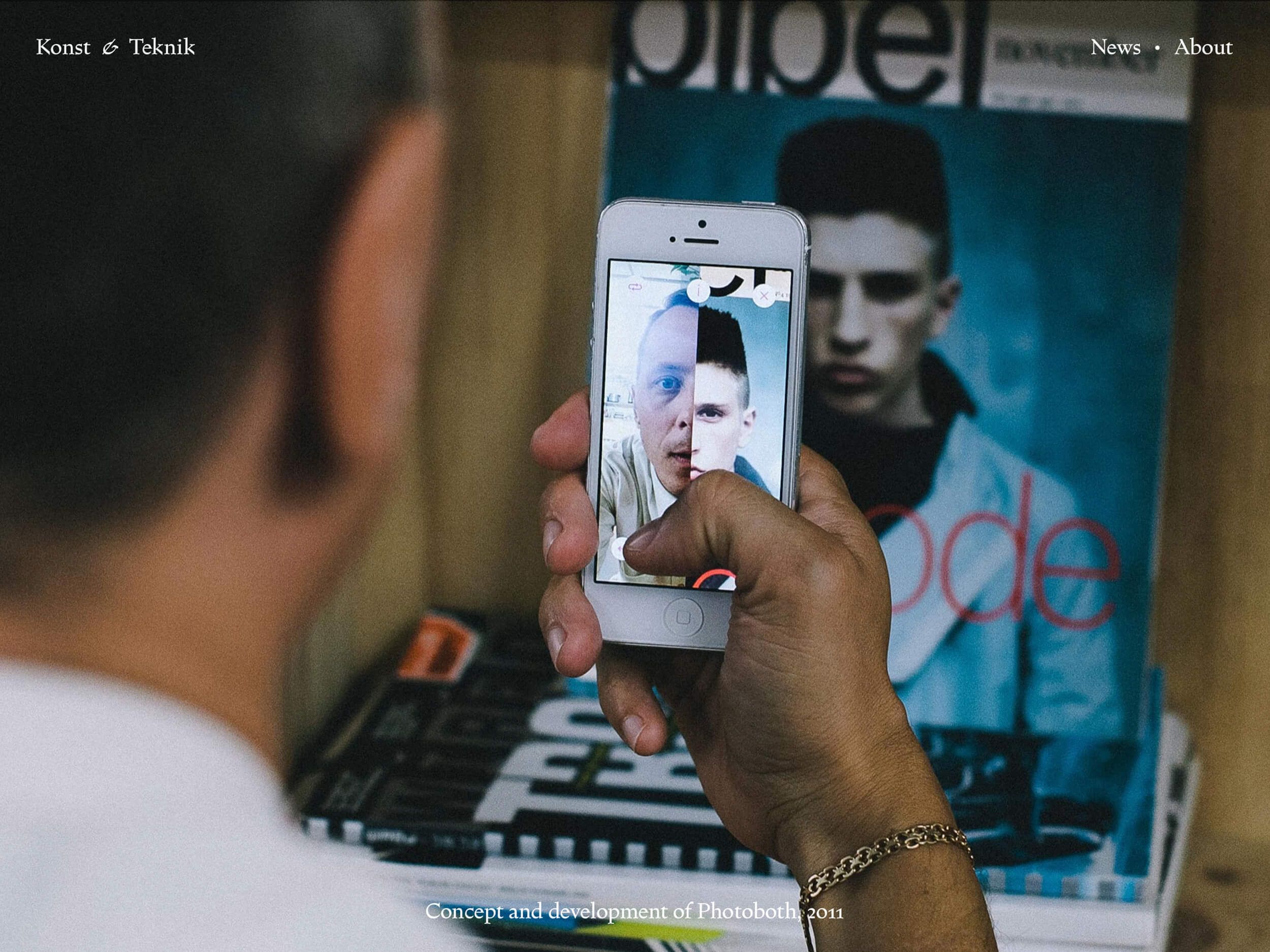
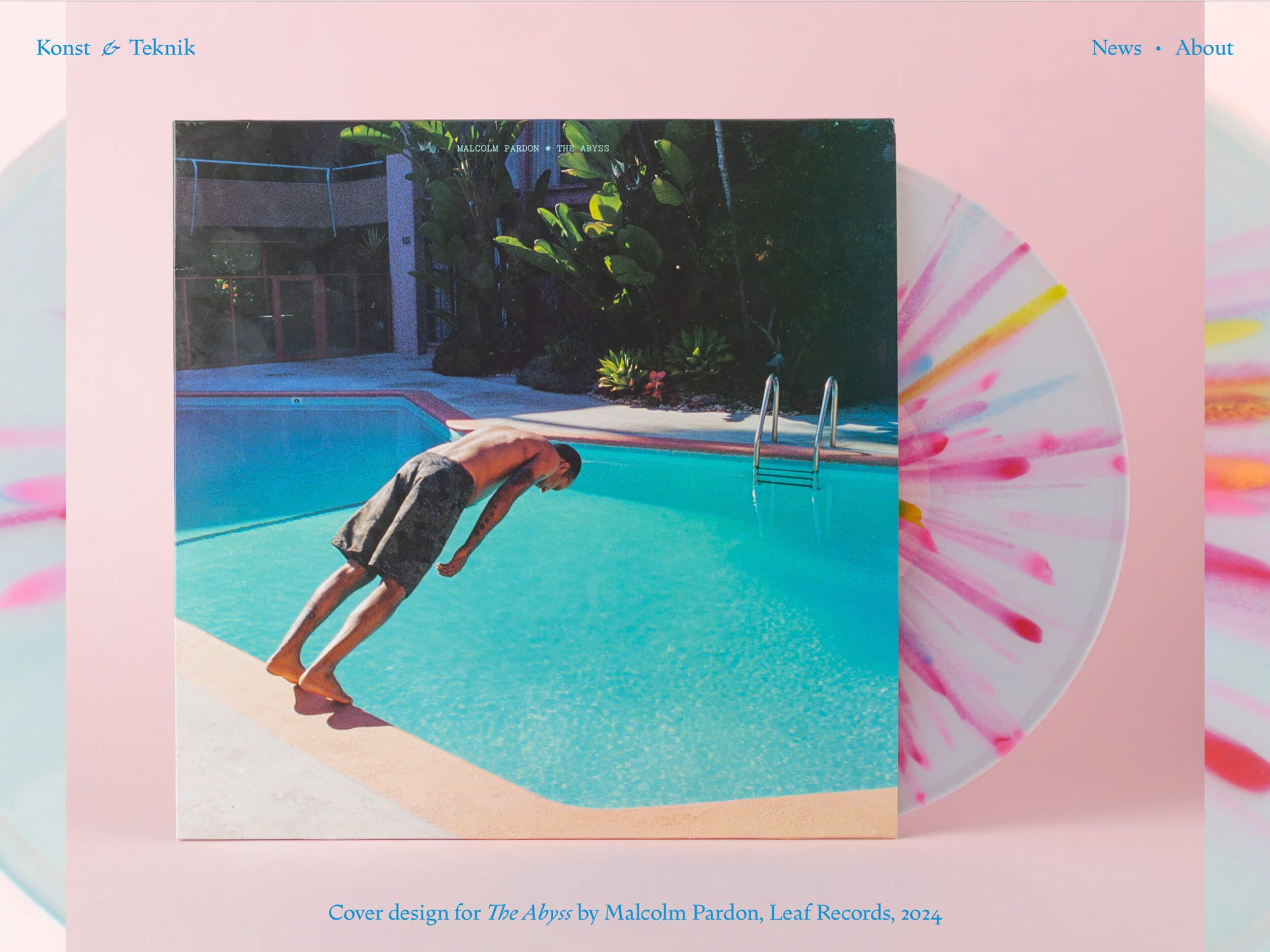
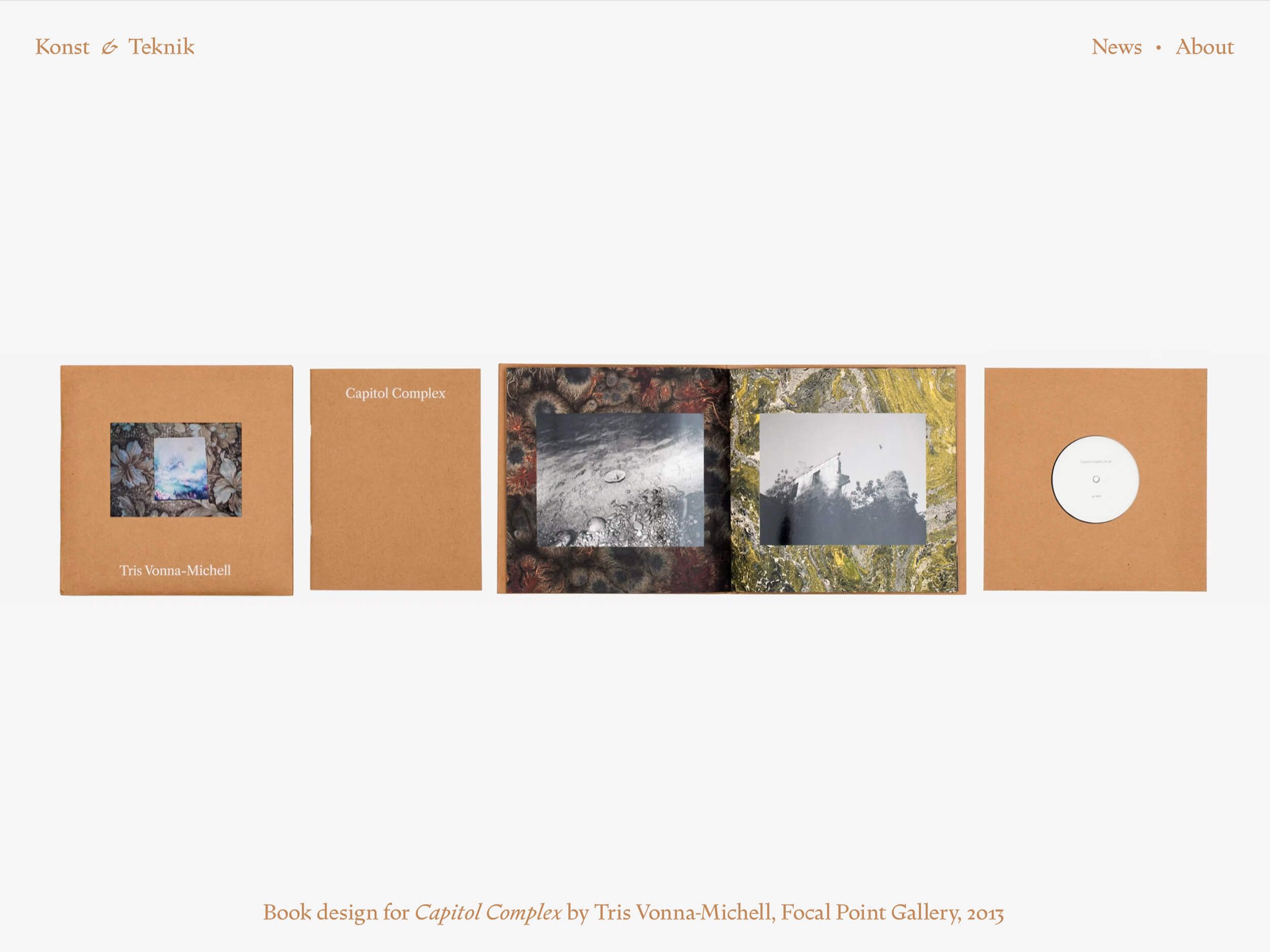
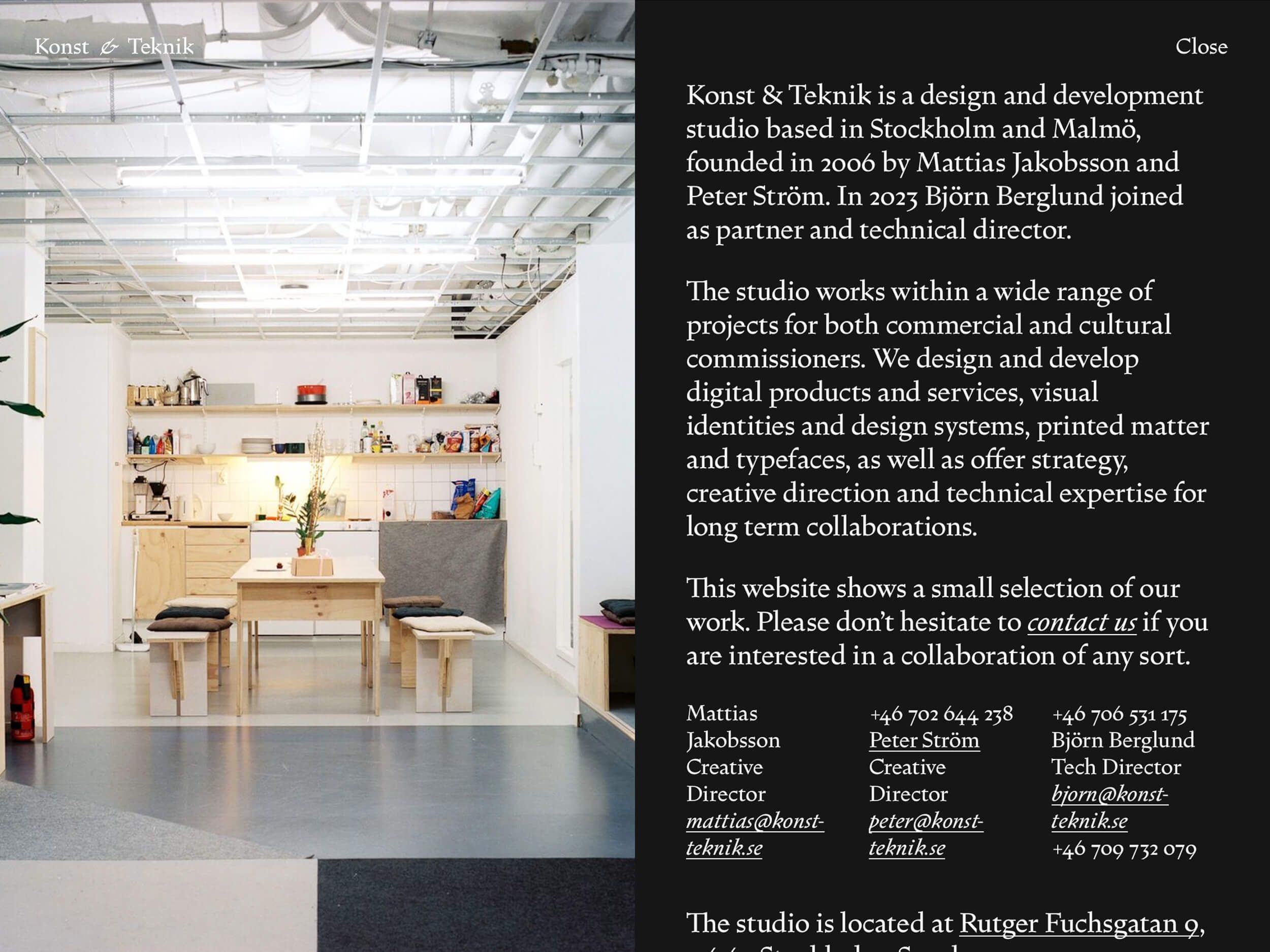
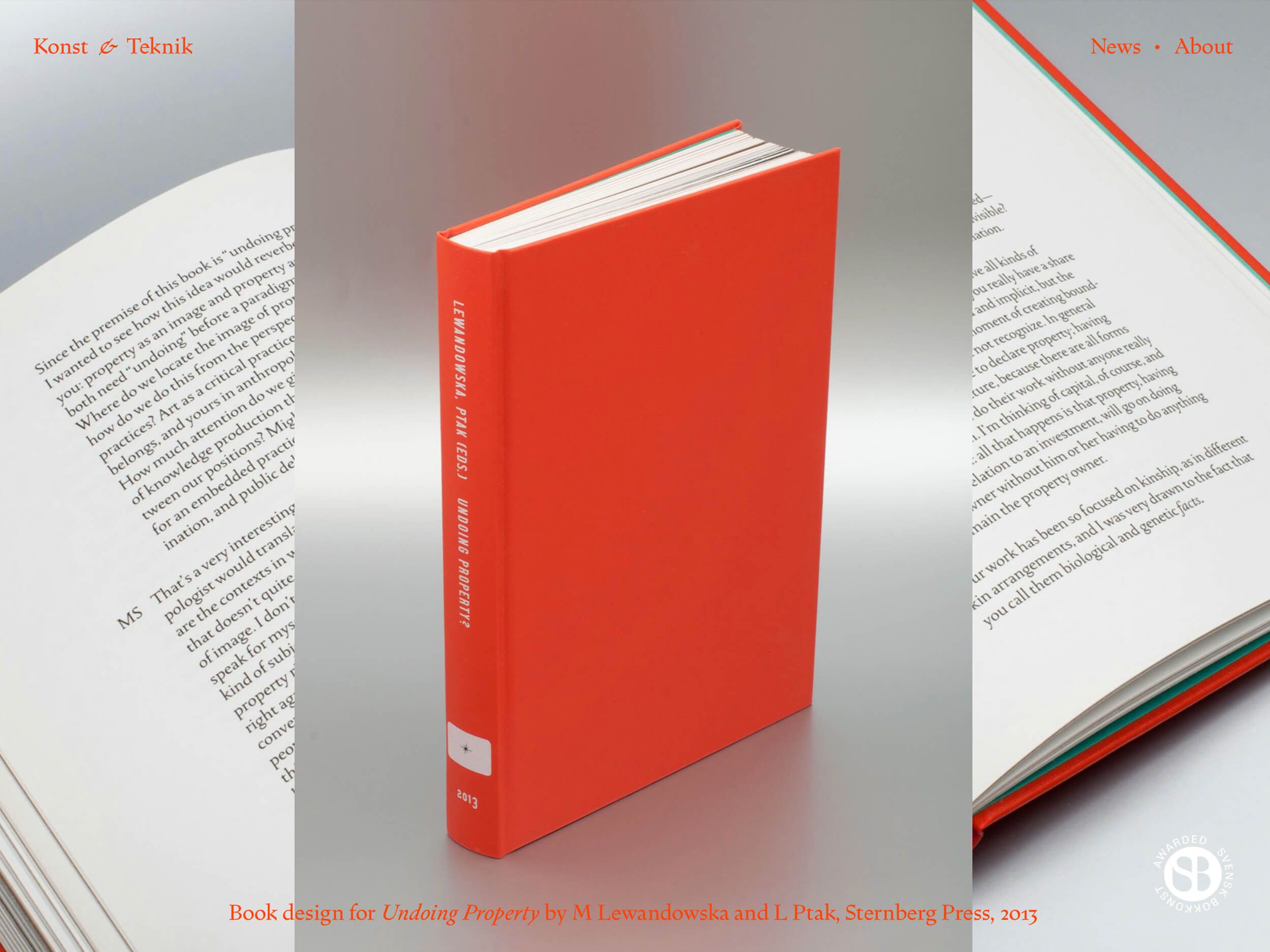
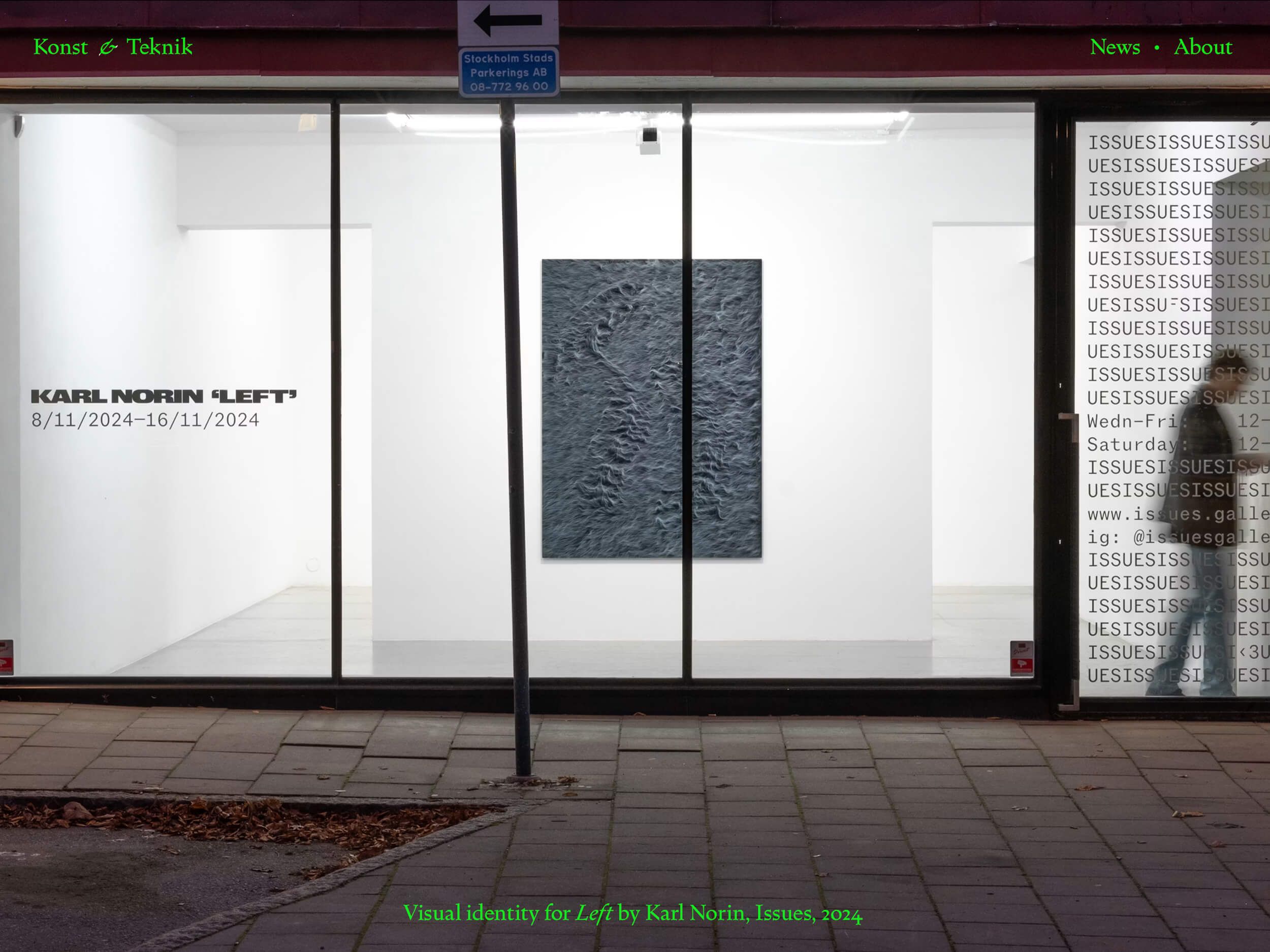
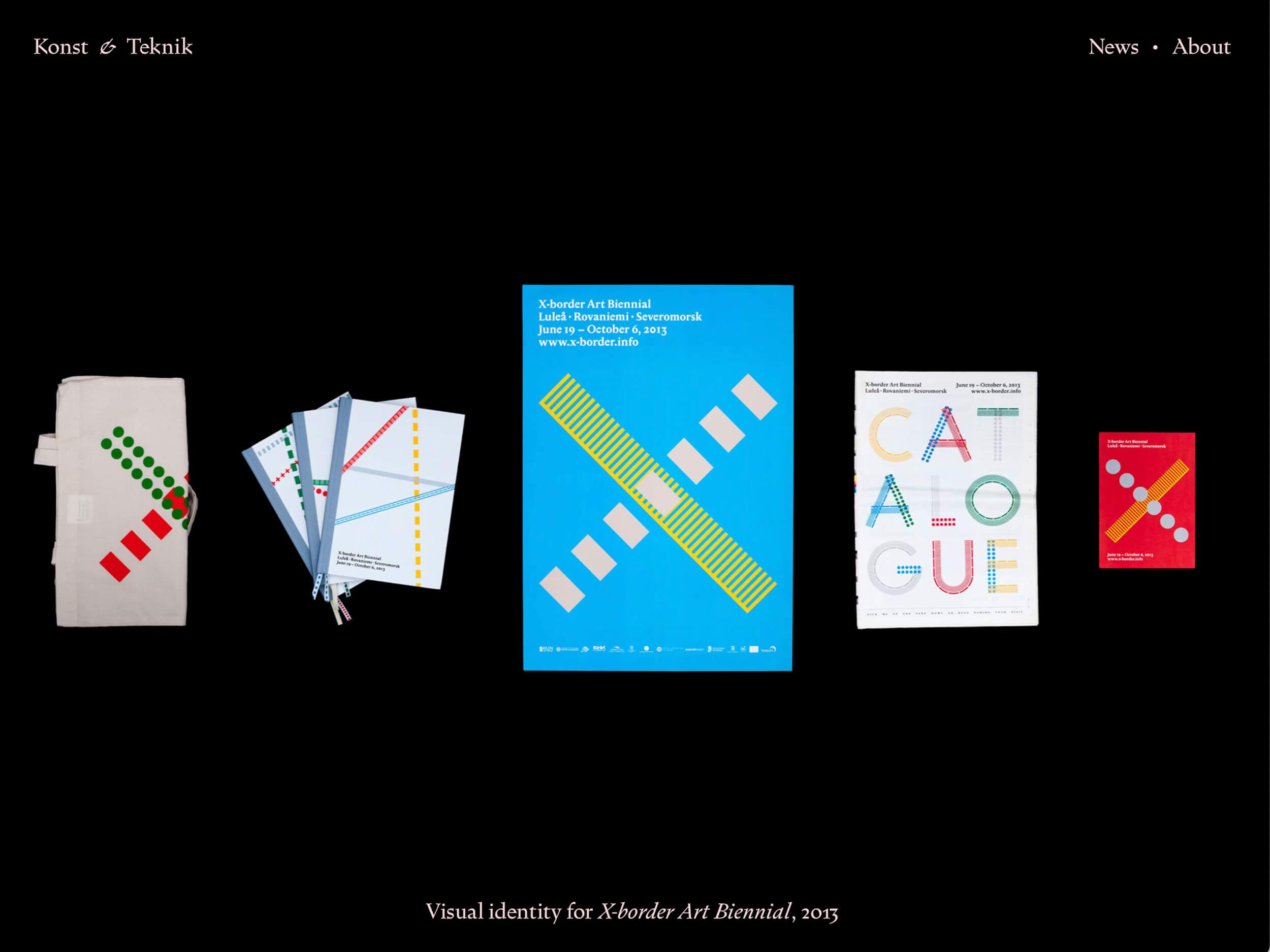
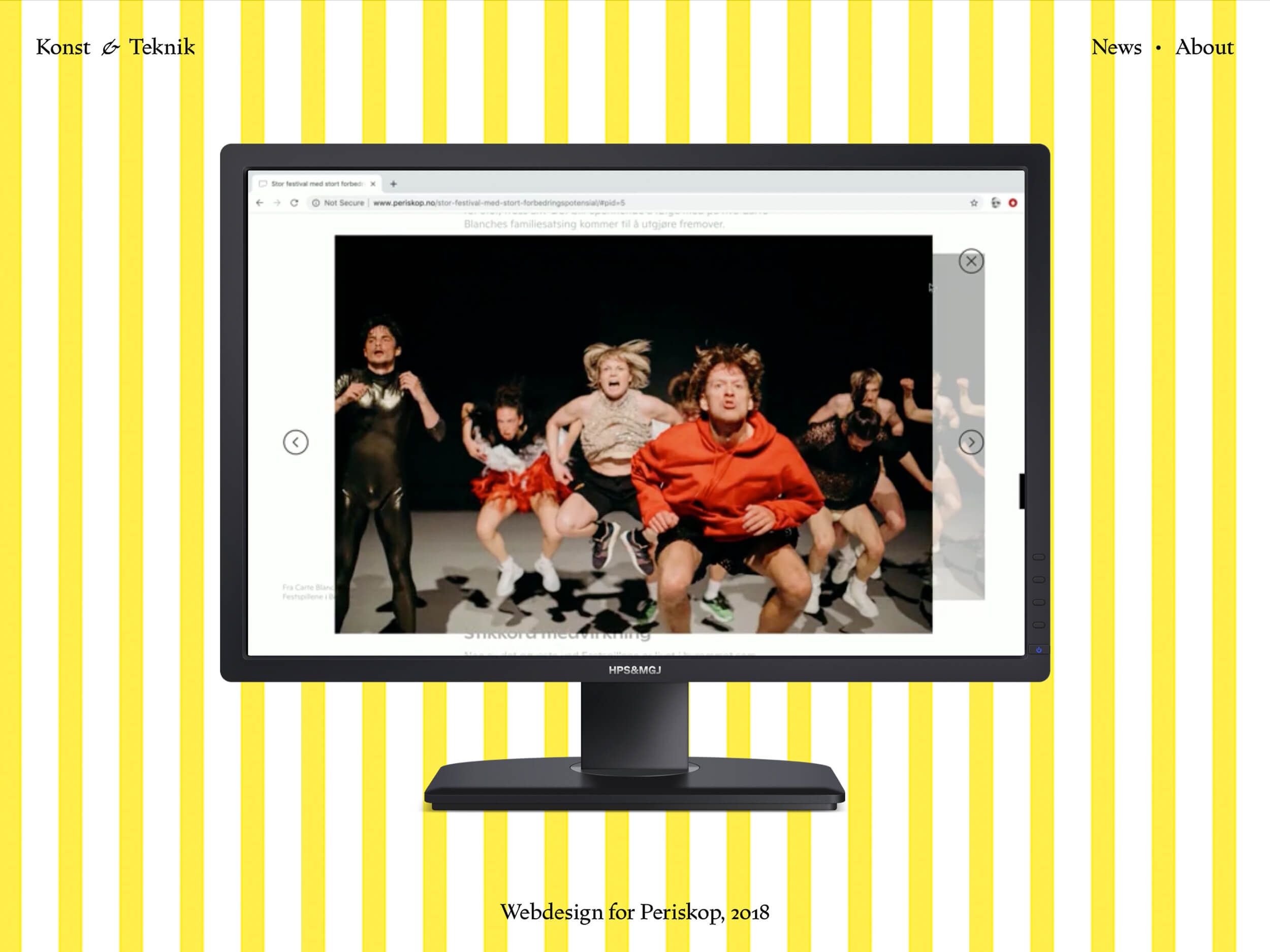
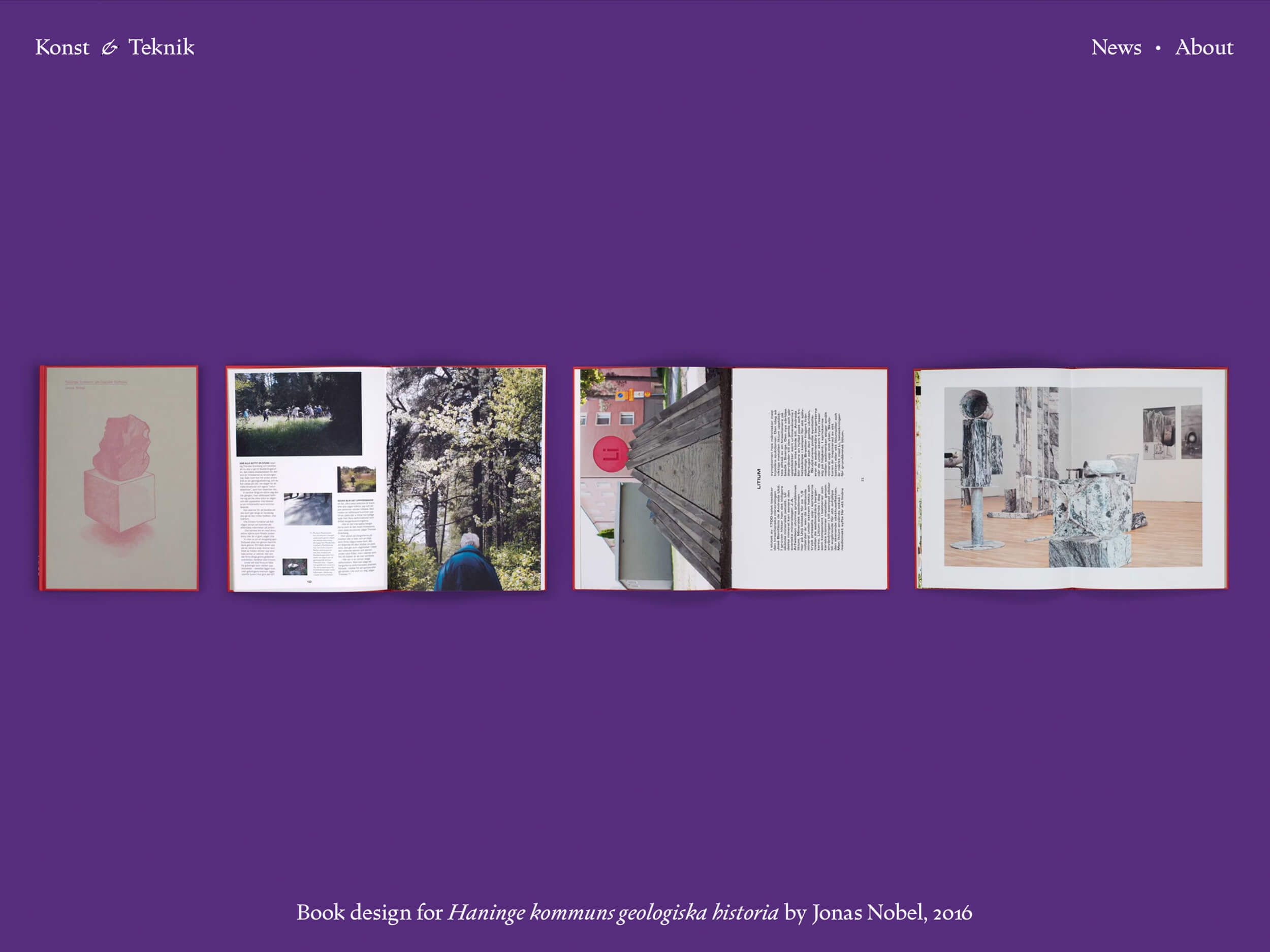
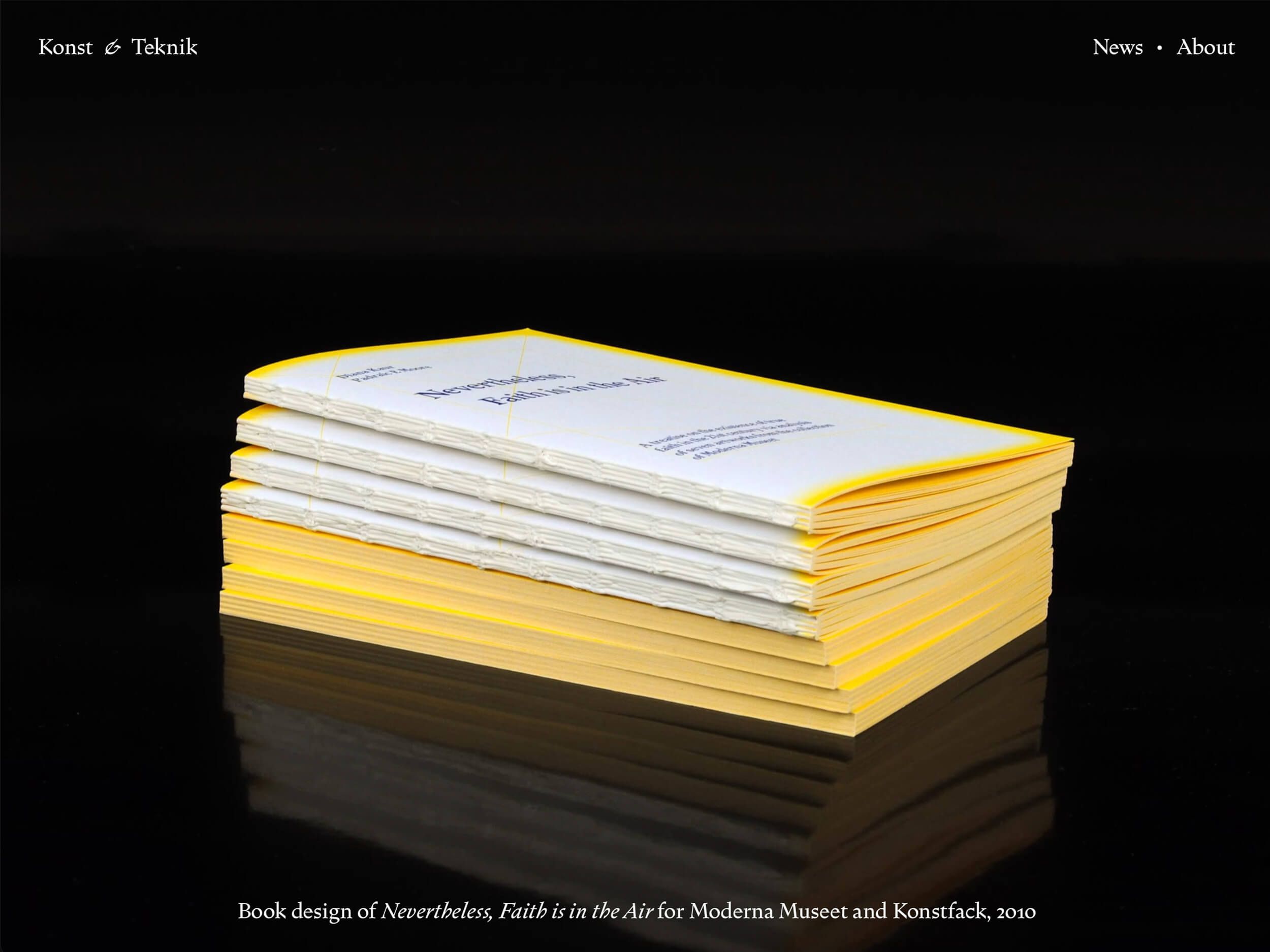
Website for Konst & Teknik Design by Peter Ström
  • © 2026 HAL Typefaces
  • Newsletter
  • Cookies & Privacy
CasinoFour GroteskGapMagicMatexRepostTimezoneColantTwins

Sign Up to the HAL Newsletter

Bird running with a letterBird running with a letter
Bird holding a letterBird holding a letter